
During pregnancy, food safety is about the food, its preparation, and how it has been stored. A name or photograph cannot tell the whole story. Start with the label, choose properly prepared ingredients, use a thermometer when cooking, and ask your care team about your own circumstances. This guide uses US food safety recommendations; local advice may differ.
Explore Embryly ↗
Embryly helps organize food ideas and questions. It cannot
certify that a meal is safe.
Ask a more useful question.
“Can I eat cheese?” is a start, but “Is this cheese pasteurized, and does this type need heating?” gives you something you can check. The same is true for a sandwich, a salad, or a bowl of leftovers. Try breaking the decision into three parts: what is in it, what has happened to it, and what you can verify now.
This is especially useful when you are eating somewhere unfamiliar. You do not have to identify every detail from a picture. Ask the person preparing the meal about ingredients and cooking, look at the package if there is one, and choose another option if an important answer is unavailable.
Four checks before you eat.
1. Read the label, not just the front.
Check the actual ingredients and allergen statements, even if you have bought the product before. Formulations and packaging change. Look for pasteurization information on dairy and juice. The CDC’s pregnancy food guide also identifies special precautions for fresh queso fresco type cheeses and deli sliced cheese; “made with pasteurized milk” is not a universal all clear for every food.
2. Check how it was cooked.
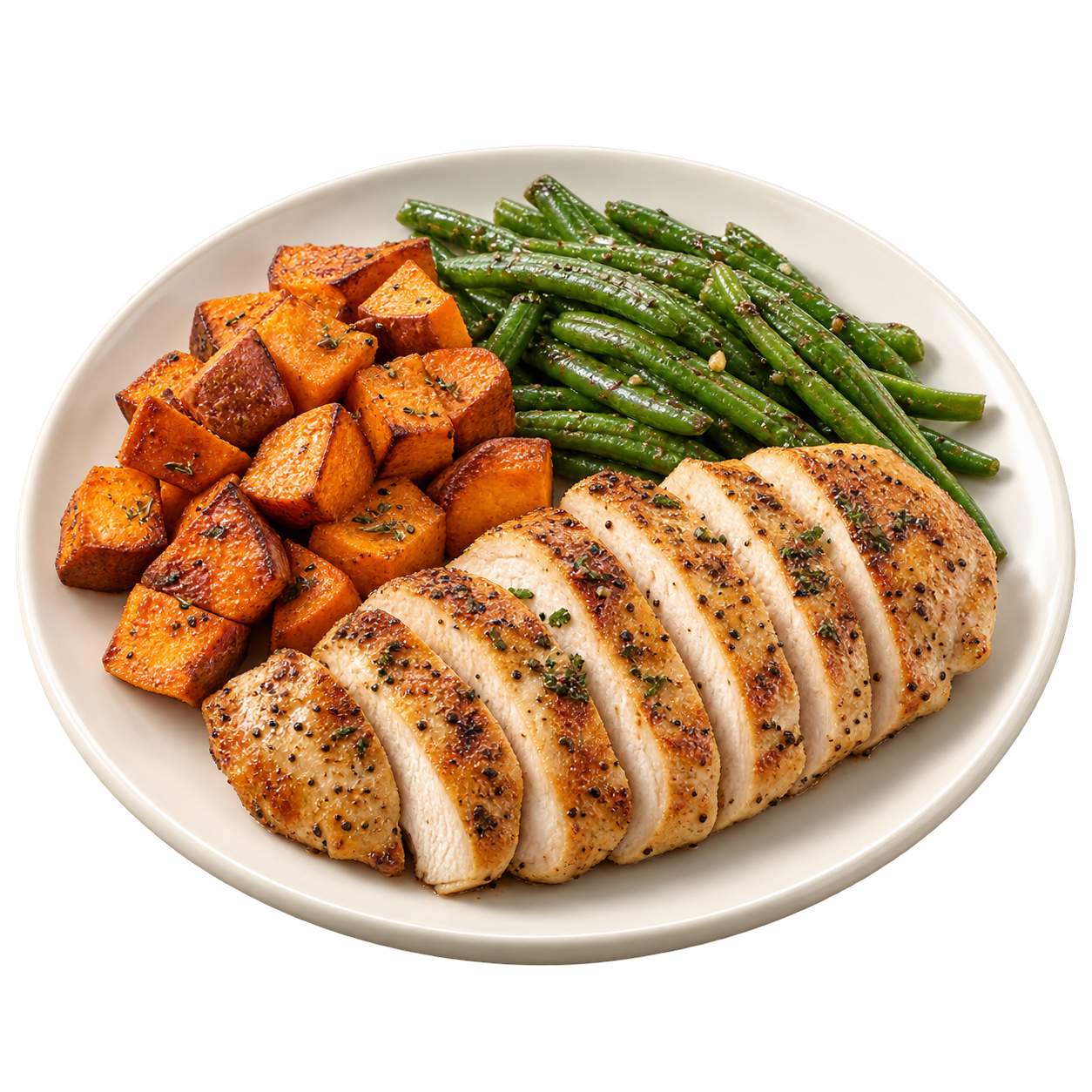
Use a food thermometer rather than a photo, a browned surface, or a guess. US minimum temperature guidance lists 165°F (74°C) for poultry and leftovers, 160°F (71°C) for ground beef, pork, veal, or lamb, and 145°F (63°C) plus a three minute rest for whole cuts of those meats. Fish is generally cooked to 145°F (63°C). Different foods require different checks.
3. Remember what you cannot see.
A freshly made dish can still contain an ingredient that needs extra care. FoodSafety.gov advises avoiding raw sprouts, unpasteurized milk, and raw or undercooked seafood in pregnancy. It advises reheating deli meats until steaming hot or 165°F (74°C). Refrigerated smoked seafood needs special handling, such as being thoroughly cooked in a dish. Read the full guidance for the specific food rather than using a blanket rule for an entire cuisine.
4. Include storage in the decision.
Think about the trip home, the time on the counter, and whether food has been kept chilled. The CDC’s prevention guidance explains cleaning, separating raw foods, cooking, and chilling. If you do not know a food’s storage history, an app cannot reconstruct it. A pleasing smell or appearance is not a substitute for safe handling.
Fish is not a simple yes or no.
The FDA and EPA fish chart distinguishes species by mercury level. Their US guidance recommends two to three servings a week from the “Best Choices” category for people who are pregnant or breastfeeding. Preparation still matters: a lower mercury fish served raw is not the same choice as that fish properly cooked. Follow local advisories for fish you catch and discuss individual needs with your care team.
Where a food scan can help.
A scan can be a starting point for identifying a dish or reading product information. It can also be wrong. Hidden ingredients, a changed recipe, an unclear photograph, or an outdated barcode entry can change the answer. A model cannot test for bacteria, measure a cooking temperature, or confirm an allergen free kitchen.
Embryly offers general AI assisted food information, not a safety certification. There is no independently validated overall accuracy percentage for its outputs. Use a result to help you form a question, then verify the relevant detail. Our sources and accuracy page explains the distinction.
A calmer way forward.
You do not need to turn every meal into an investigation. Build a few familiar choices around ingredients and preparation you understand. Keep a short list of questions for your next appointment, and ask for guidance suited to your allergies, conditions, and local food rules. If you suspect foodborne illness or feel unwell during pregnancy, contact your care team promptly rather than asking an app to assess the symptoms.
For the planning side of everyday eating, read our guide to a flexible pregnancy meal plan.
About this article
Educational content by
the Embryly Editorial Team, not individually tailored advice or a
clinician reviewed treatment plan. Reference links checked
September 26, 2026.